
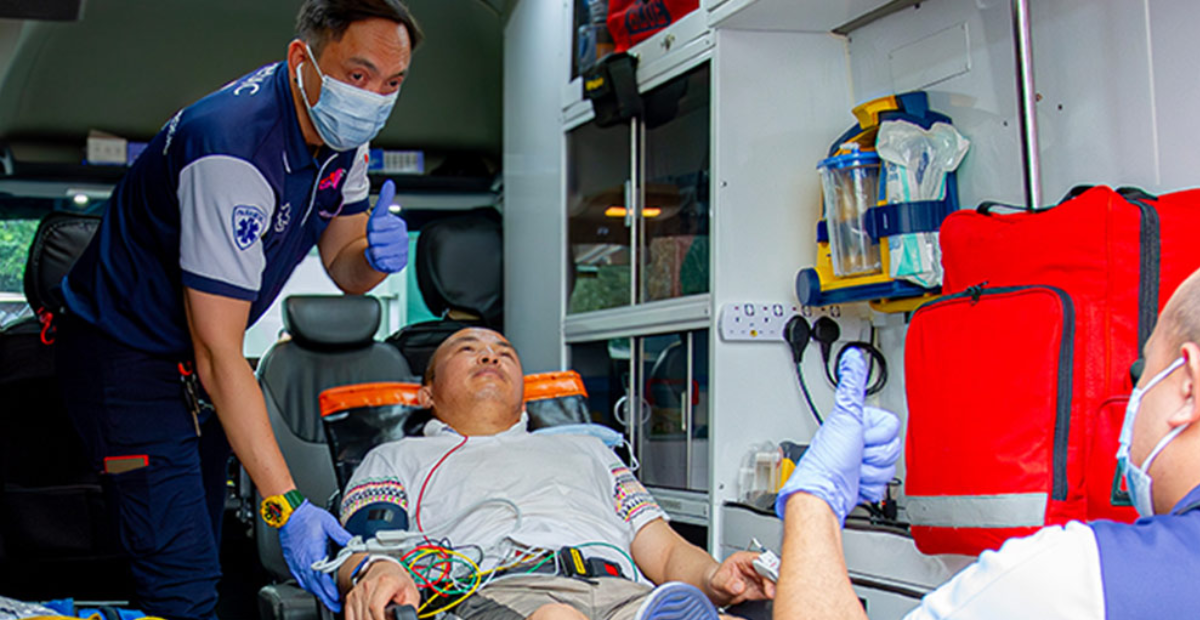
Ambulance Services: Fast, Reliable, and Life-Saving Emergency Medical Support
Ambulance Services play a critical role in modern healthcare systems by providing immediate medical assistance and safe patient transportation during emergencies and non-emergency situations. Whether responding to life-threatening incidents, transferring patients between hospitals, or offering event medical standby, professional ambulance providers ensure timely care when every second matters. In rapidly growing urban environments, access to reliable medical transport can mean the difference between life and death, making these services an essential component of community health and safety.
The Importance of Professional Ambulance Services
Medical emergencies can occur without warning. Cardiac arrests, strokes, accidents, respiratory distress, and other critical situations require immediate intervention. Professional ambulance teams are trained to stabilize patients on-site and provide pre-hospital care before reaching a medical facility.
Ambulance personnel typically include paramedics, emergency medical technicians (EMTs), and trained drivers who work together to deliver efficient and coordinated care. These professionals use advanced medical equipment such as defibrillators, oxygen supply systems, cardiac monitors, stretchers, and first-aid tools to manage emergencies effectively.
Beyond emergency response, Ambulance Services also handle scheduled medical transport for patients who require assistance traveling to clinics, dialysis centers, rehabilitation facilities, or home care settings. This ensures continuity of care and enhances patient comfort and safety.
Types of Ambulance Services Available
Modern ambulance providers offer various types of services to meet diverse medical needs. Understanding these categories helps individuals and families choose the right option.
1. Emergency Ambulance Services
Emergency ambulances are equipped to handle life-threatening conditions. These vehicles respond to urgent calls such as heart attacks, severe injuries, unconsciousness, and breathing difficulties. Staffed by trained paramedics, emergency units are designed for rapid response and advanced life support.
2. Non-Emergency Medical Transport
Not all medical transportation requires sirens and immediate response. Non-emergency transport is ideal for patients who are stable but need medical supervision during travel. This includes elderly patients, individuals recovering from surgery, or those requiring wheelchair or stretcher assistance.
3. Private Ambulance Services
Private ambulance providers offer personalized medical transport solutions. These services are commonly used for hospital discharges, long-distance transfers, medical repatriation, and special medical arrangements. Private providers often offer flexible scheduling and tailored patient care.
4. Event Medical Standby
For large gatherings such as corporate events, sports tournaments, concerts, and community programs, ambulance providers offer on-site medical support. Having a standby medical team ensures immediate response in case of injuries or sudden health issues.
5. Air Ambulance Services
In critical situations requiring long-distance or international transport, air ambulances provide rapid medical evacuation. These services are equipped with advanced medical facilities and trained flight medical teams to manage complex conditions during transit.
Key Features of Reliable Ambulance Services
When selecting an ambulance provider, several important factors should be considered to ensure quality and reliability.
Rapid Response Time
Speed is crucial in emergencies. A dependable ambulance provider operates strategically located fleets to ensure minimal response time. Quick arrival increases the chances of survival in critical conditions.
Trained Medical Professionals
Highly qualified paramedics and EMTs are the backbone of effective ambulance operations. Continuous training and certification ensure that staff can handle various medical scenarios with confidence and competence.
Advanced Medical Equipment
Modern ambulances are mobile treatment units. From automated external defibrillators (AEDs) to ventilators and infusion pumps, well-equipped vehicles enable comprehensive pre-hospital care.
24/7 Availability
Medical emergencies can happen at any time. Reliable Ambulance Services operate around the clock, ensuring uninterrupted assistance whenever needed.
Safe and Hygienic Environment
Cleanliness and infection control are essential, especially when transporting vulnerable patients. Regular sanitization of vehicles and equipment helps maintain patient safety.
Why Timely Ambulance Services Save Lives
In cases of cardiac arrest, immediate CPR and defibrillation within minutes significantly improve survival rates. Similarly, stroke patients benefit greatly from rapid medical intervention, often referred to as the “golden hour.” Quick transport to specialized medical facilities allows doctors to begin critical treatment without delay.
Trauma victims involved in road accidents also require swift stabilization and controlled transport to prevent complications. Ambulance teams are trained to manage bleeding, fractures, shock, and airway issues before reaching the hospital.
Timely Ambulance Services reduce complications, prevent deterioration, and provide reassurance to patients and families during highly stressful situations.
Ambulance Services for Elderly and Chronic Care Patients
With aging populations in many countries, the demand for medical transport services continues to grow. Elderly individuals often require assistance for routine medical appointments, therapy sessions, or hospital admissions.
Professional ambulance providers offer wheelchair and stretcher transport, ensuring comfort and dignity for senior patients. Trained staff assist with safe lifting, positioning, and monitoring vital signs during travel. For individuals with chronic illnesses such as kidney disease or respiratory conditions, medical transport ensures safe and supervised mobility.
Technology in Modern Ambulance Services
Technology has significantly improved the efficiency and effectiveness of ambulance operations. GPS tracking systems enable faster route planning and accurate arrival time estimation. Digital communication tools allow paramedics to coordinate with hospital emergency departments before arrival.
Electronic patient care records help document vital information and medical history, ensuring seamless transfer of data to hospital staff. Some advanced systems also integrate telemedicine capabilities, enabling remote consultation with specialists during transport.
These technological advancements enhance patient outcomes and streamline emergency response.
Choosing the Right Ambulance Provider
Selecting the right ambulance provider requires careful evaluation. Here are some factors to consider:
-
Licensing and certification
-
Experience and reputation
-
Availability of advanced life support (ALS) equipment
-
Range of services offered
-
Transparent pricing structure
-
Professionalism and communication
Reading reviews and seeking recommendations can also help in making an informed decision.
The Role of Ambulance Services in Community Health
Ambulance providers are not just emergency responders; they are integral to the broader healthcare system. By bridging the gap between patients and hospitals, they ensure timely medical access.
Many ambulance organizations also participate in public health initiatives, first-aid training programs, disaster response planning, and community awareness campaigns. Their involvement strengthens overall healthcare resilience.
During public health crises or natural disasters, ambulance teams are often among the first responders, assisting with evacuations, mass casualty management, and critical care transport.
Cost Considerations and Transparency
While emergency medical care is invaluable, cost transparency is important for patients and families. Professional Ambulance Services typically provide clear pricing structures for emergency response, non-emergency transport, standby services, and long-distance transfers.
Private providers may offer customized packages based on distance, medical requirements, and level of care needed. Understanding the cost beforehand helps avoid confusion during stressful situations.
Patient Comfort and Compassionate Care
Beyond medical expertise, compassion and empathy define exceptional ambulance providers. Medical emergencies are emotionally overwhelming, and supportive communication from paramedics can ease anxiety for both patients and family members.
Professional ambulance teams prioritize patient dignity, privacy, and comfort during transport. Gentle handling, clear communication, and respectful treatment make a significant difference in patient experience.
Future of Ambulance Services
The future of Ambulance Services lies in innovation, improved training, and integrated healthcare systems. Emerging technologies such as artificial intelligence-driven dispatch systems, real-time health monitoring, and smart traffic management are expected to further enhance response times.
Sustainable ambulance fleets powered by electric or hybrid vehicles may also become more common, reducing environmental impact while maintaining efficiency.
Continuous skill development and adherence to global healthcare standards will ensure that ambulance providers remain prepared for evolving medical challenges.
Conclusion
Ambulance Services are an essential pillar of modern healthcare, delivering life-saving medical support and secure patient transportation. From emergency response to scheduled medical transfers and event standby coverage, these services provide critical assistance whenever and wherever it is needed.
Choosing a reliable ambulance provider ensures professional care, rapid response, and peace of mind during medical emergencies. With advanced technology, trained personnel, and patient-focused care, ambulance providers continue to safeguard communities and save lives every day.